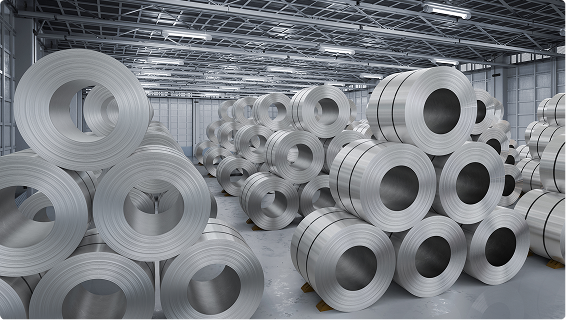
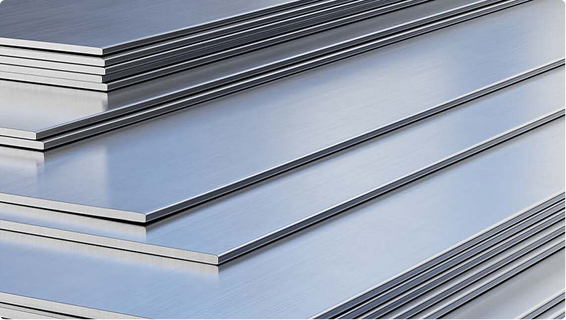
Aluminium sheets are available in multiple grades, each offering unique properties such as strength, corrosion resistance, formability, and weldability.
Aluminium Sheets – High-Quality and Versatile Solutions for Every Industry
Aluminium sheet production processes involve advanced techniques such as rolling and extrusion to obtain high-quality materials with excellent mechanical properties. These sheets come with diverse features: an ideal blend of strength, adaptability, and resistance to rust – all necessary in applications where weight and durability are key. They can be easily cut, shaped, welded, and anodised, and offer endless possibilities for customisation across industries.
Whether it is for structural integrity, aesthetic appeal, or functional requirements, aluminium sheets play a crucial role in accelerating growth for businesses belonging to diverse sectors.
Their lightweight nature, corrosion resistance, and ease of fabrication make them ideal for applications in aerospace, automotive, construction, and packaging. By leveraging aluminium sheets, manufacturers can achieve enhanced durability, cost efficiency, and sustainability in their production processes.
Types of Aluminium Sheets
Aluminium sheets are available in multiple forms, each designed to meet specific functional and aesthetic requirements
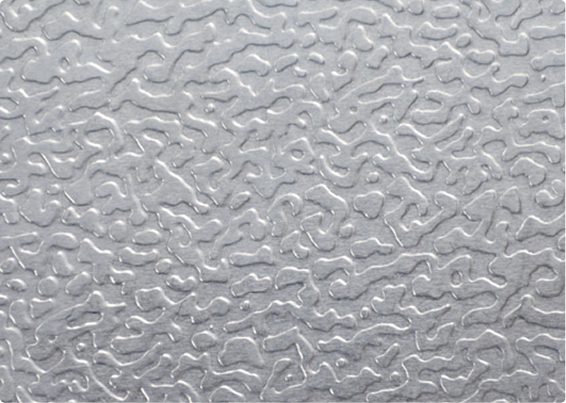
Embossed with a distinctive textured finish, these sheets conceal scratches and enhance appearance. Their patterned surface provides both durability and decorative appeal, making them a favourite in architectural facades, roofing, insulation, and cladding systems. Beyond construction, they are also used in refrigeration units, interior panels, and decorative applications where both toughness and looks matter.
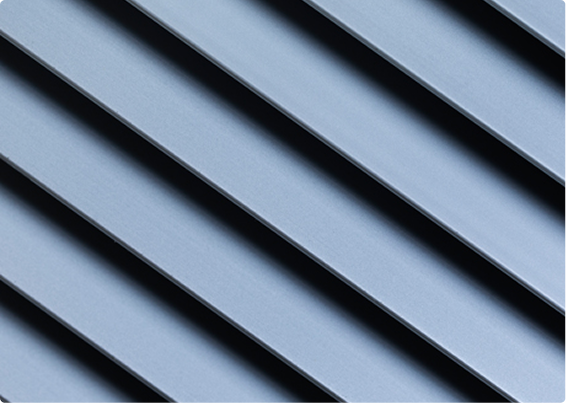
By blending aluminium with elements like magnesium, copper, or silicon, alloy sheets are engineered to deliver superior mechanical strength, corrosion resistance, and heat tolerance. This makes them indispensable for industries such as aerospace, transportation, and defence, where both strength-to-weight ratios and long-term performance are critical. Many alloy sheets are also heat-treatable, which allows manufacturers to adapt them for highly demanding structural projects.
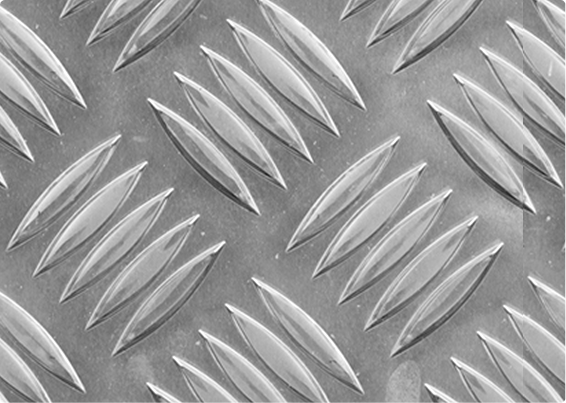
Featuring a raised diamond or check pattern, chequered sheets are primarily used where anti-slip properties and safety are essential. Their grip-enhancing design makes them ideal for industrial flooring, walkways, stair treads, loading bays, and transport vehicles. In addition to their safety features, chequered sheets are also chosen for interior decoration, signage, and design projects where they add a rugged yet stylish metallic finish.
Although the terms “sheet” and “plate” are often used interchangeably, they differ mainly in thickness and application
Typically range from 0.2 mm to 6 mm in thickness. They are lightweight, flexible, and widely used in roofing, automotive panels, enclosures, and packaging.
Anything above 6 mm thickness falls under plates. Heavier, stronger, and more rigid, plates are designed for structural applications, marine use, and heavy engineering projects.
In short, sheets are the choice for lightweight, formable applications, while plates serve structural and load-bearing requirements.
Looking for plates instead? Explore our Aluminium Plates page.
Aluminium sheets are available in multiple grades, each offering unique properties such as strength, corrosion resistance, formability, and weldability.
Known for its flexibility and sturdiness, this alloy is often utilised in aerospace, automobile, and architectural applications. It offers excellent resistance to corrosion, ease of machining, and welding capabilities, making it a smart choice for challenging projects.
Furthermore, its ability to withstand harsh environments, such as moisture and chemicals, extends its lifespan in critical applications. From plane frames and vehicle skeletons to maritime elements and commercial machines, 6061-T6 is a preferred material for manufacturers. Complex designs requiring high strength but minimal weight leverage this alloy for its ability to endure demanding conditions.
5083-H111 is a marine-grade aluminium alloy, renowned for its superior corrosion resistance in saltwater environments. It is extensively used in shipbuilding, offshore structures, and industrial applications exposed to harsh marine conditions.
Its high strength and excellent weldability make it ideal for constructing hulls, decks, and bulkheads in marine vessels. Additionally, 5083-H111 maintains its mechanical properties even in cryogenic temperatures, making it a reliable choice for storage tanks, pressure vessels, and refrigerated transport applications.
2014-T6 is a high-strength aluminium alloy, commonly used in aerospace and military applications. It offers excellent machinability and durability, making it ideal for components that must withstand extreme stress conditions.
It is widely utilised in aircraft fuselage frames, military-grade vehicles, and high-performance engineering components. However, 2014-T6 has lower corrosion resistance, so it is often anodised or coated for additional protection in demanding environments.
1050 is a high-purity aluminium alloy offering exceptional corrosion resistance and formability. It is commonly used in electrical components, heat exchangers, and chemical processing, where purity and workability are essential. Due to its high thermal and electrical conductivity, 1050 is widely applied in transformer windings, bus bars, and conductor cables.
Additionally, its excellent reflectivity makes it ideal for lighting fixtures, decorative applications, and mirror surfaces in architectural and industrial uses.
1060 is another high-purity aluminium alloy, valued for its corrosion resistance and easy shaping. It is frequently used in packaging, electrical conductors, and decorative applications due to its bright, reflective surface. With more than 99.6% aluminium content, it offers excellent conductivity and is commonly utilised in capacitor casings, battery foils, and cookware.
Its soft nature and excellent ductility make it a top choice for deep drawing and stamping applications, allowing manufacturers to produce intricate and lightweight components.
8011 is widely used in packaging applications, especially in the food and pharmaceutical industries. With high strength and corrosion resistance, it is the preferred choice for foil production, food containers, and bottle caps.
Its ability to form airtight and tamper-proof seals makes it ideal for pharmaceutical blister packs and beverage closures. Additionally, 8011 provides excellent barrier properties against moisture, light, and contaminants, ensuring the longevity and safety of packaged goods.
5754-H11 is a marine-grade alloy, known for its excellent resistance to corrosion and stress cracking. It is commonly used in tanker manufacturing, trailers, and marine components exposed to aggressive environments.
With superior weldability and moderate strength, it is also employed in pressure vessels, road barriers, and offshore structures requiring long-term durability. Its ability to withstand extreme weather conditions makes it a preferred choice for transportation and storage applications in harsh industrial settings.
6082-T6 is a medium-strength aluminium alloy, offering high structural integrity and corrosion resistance. It is widely used in bridge construction, industrial frameworks, and heavy-duty applications requiring superior mechanical properties.
With excellent machinability and weldability, it is also found in cranes, transport systems, and offshore platforms. This alloy is frequently used in structural applications where both weight savings and mechanical strength are crucial, making it an essential material for modern infrastructure and large-scale engineering projects.
| Property | Range / Options | Note |
| Thickness | 0.2 mm to 6 mm | Sheets above 6mm are categorized as plates |
| Width | 500 mm to 2000 mm | Custom sizes available |
| Length | Up to 6000 mm | Cut-to-size available |
| Surface Finish | Mill finish, polished, anodized, coated | Based on requirement |
| Standards | ASTM, IS, EN | Certificates provided with each order |
One of the primary uses of the sheets is in the automotive industry, where they are utilised in manufacturing lightweight body panels, chassis components, and structural components. High strength and formability are key factors for enhancing fuel efficiency and lowering vehicle weight.
Aluminium sheets are used in architectural cladding, roofing, and facade systems. They provide a contemporary, long-lasting solution to modernised building systems and structures through their resistance to corrosion, ease of fabrication, and aesthetic characteristics.
In the aerospace industry, these sheets are commonly used to build aircraft components such as fuselage panels, wings, and structural parts. The high strength-to-weight ratio, good fatigue resistance, and high-temperature resistance make them preferred materials for aerospace.
Aluminium sheets are utilised in electronics and electrical applications, including enclosures, heat sinks, and conductor plates. Their excellent thermal conductivity and electrical properties make them suitable for dissipating heat and conducting electricity efficiently.
With 10,000+ projects delivered and decades of industry experience, Pratham Traders is among India’s most trusted suppliers of aluminium sheets.
The versatility and range of properties offered by aluminium sheets make them an essential material in modern manufacturing and design. Whether it is for structural integrity, aesthetic appeal, or functional requirements, aluminium sheets play a crucial role in accelerating growth for businesses belonging to diverse industries.
Prices vary by grade, thickness, and finish. Basic grades like 1050/1060 are cheaper, while 6061 or 5083 cost more. Request a quote for exact pricing.
Sheets are 0.2 mm–6 mm thick, light, and formable. Plates are above 6 mm, stronger and used in structural, marine, and heavy-duty applications.
Popular grades include 6061-T6, 5083-H111, 2014-T6, 1050, 1060, 8011, 5754-H11, and 6082-T6, each suited to different industries.
Common sizes: thickness 0.2–6 mm, width 500–2000 mm, length up to 6000 mm. Cut-to-size options are available.
Used in automotive panels, aerospace parts, construction, roofing, electronics, packaging, and decorative applications.
Yes, they can be anodised, powder-coated, or polished for corrosion resistance and better aesthetics.
5083-H111 and 5754-H11 are ideal for shipbuilding, tanks, and offshore structures due to their strong saltwater resistance.
Yes, we supply and deliver aluminium sheets to clients pan-India, with logistics support for bulk as well as custom orders.
Yes, in addition to domestic supply, we are equipped to handle export orders with international-grade packing and documentation.