
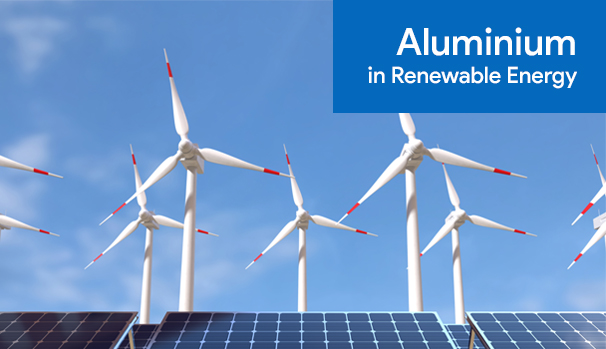
The global shift toward sustainable energy materials has spurred innovation across industries, especially in renewable energy. The demand for renewable energy materials is at an all-time high, driven by the need for efficiency, durability, and eco-friendliness. Among these materials, aluminium has emerged as a preferred choice for various applications. Its unique properties make it indispensable in renewable energy projects.
In solar and wind energy, aluminium is pivotal in improving efficiency and reducing costs. From solar panel aluminium frames to aluminium wind turbine components, this versatile material is revolutionizing the energy sector. In this blog, we will explore how it contributes to shaping a sustainable energy future.
Applications in Solar Energy
Aluminium’s versatility shines in solar energy applications, where it plays a critical role in the construction of solar panel frames, reflectors, and mounting supports. Its lightweight yet durable properties make it indispensable for solar installations.
For solar panel frames, aluminium’s light weight facilitates easy transportation and installation while its corrosion resistance ensures longevity. Additionally, its sleek appearance enhances the aesthetic appeal of solar installations, making them an excellent choice for both residential and commercial properties.
Beyond frames, aluminium’s high reflectivity boosts the efficiency of solar concentrators and collectors, improving energy absorption. Its structural integrity ensures that mounting supports provide a stable and sturdy base, withstanding diverse weather conditions. These advantages have propelled the adoption of aluminium in the solar energy sector.
Applications in Wind Energy
Wind energy projects demand materials that combine strength, flexibility, and durability, making aluminium indispensable for both onshore and offshore wind farms. This is where lightweight aluminium structures prove to be an ideal solution. This attribute is crucial for manufacturing components such as turbine blades and nacelle housings, reducing the structural load and enhancing energy efficiency. Additionally, aluminium’s malleability allows for the creation of complex shapes that optimize blade aerodynamics, further improving turbine performance.
In offshore wind farms, corrosion resistance aluminium ensures durability in harsh marine environments, reducing maintenance requirements over time. Its high strength-to-weight ratio also makes it ideal for structural elements like platforms and support structures, enabling them to withstand strong winds and waves. By integrating aluminium into wind energy projects, manufacturers achieve improved performance and lower lifecycle costs.
Benefits of Aluminium in Renewable Energy
Aluminium’s properties make it a cornerstone of modern renewable energy systems. Its versatility and performance characteristics offer numerous advantages.
1. Corrosion Resistance:
Aluminium’s natural oxide layer protects it from rust and degradation, making it an excellent choice for environments exposed to moisture and chemicals. This feature is vital for aluminium for offshore energy projects and solar installations in coastal regions.
2. Recyclability:
Aluminium recycling in energy projects is of key importance. Recycled aluminium retains its original properties, making it a sustainable option. Recycling this material requires only 5% of the energy needed to produce new aluminium, significantly lowering carbon emissions.
3. Strength & Durability:
Aluminium’s strength ensures that it can withstand mechanical stresses without compromising performance. This durability is essential for both solar panel aluminium frames and aluminium wind turbine components.
4. Cost-Effectiveness:
Over its lifecycle, aluminium proves to be more cost-effective due to its durability, low maintenance requirements, and recyclability. Its contribution to green energy materials is both practical and economical.
5. Thermal Conductivity:
Aluminium’s excellent thermal conductivity allows it to dissipate heat effectively, making it a top choice for renewable energy systems. It improves the efficiency of solar panels and other energy technologies. This property ensures optimal performance under various conditions.
6. Lightweight Advantage:
Being lightweight yet strong, aluminium reduces transportation and installation costs for renewable energy projects. Its lower weight also enhances design flexibility, enabling engineers to create more innovative and efficient energy systems.
Challenges & Future Potential
Despite its numerous advantages, the use of aluminium in renewable energy systems is not without challenges. One significant concern is the environmental impact of sourcing raw materials, such as mining bauxite, which is essential for aluminium production.
To address this, eco-friendly mining practices are being adopted to minimize ecological damage. Additionally, recycling initiatives are gaining traction, particularly in energy projects, to reduce reliance on virgin aluminium and promote a circular economy. These efforts are crucial in mitigating the environmental footprint of aluminium production.
Innovations in aluminium efficiency are also transforming its role in renewable energy. Research is focused on enhancing its properties, making it even more viable for energy applications. Advanced aluminium alloys are opening up new possibilities, including their use in offshore energy projects requiring high-performance materials.
While initial production costs can be significant, ongoing advancements are set to drive scalability and cost-effectiveness. As these challenges are addressed, aluminium’s contribution to the global shift toward sustainable energy systems will only strengthen.
Buy High-quality Aluminium Products From Pratham Traders
With 10,000+ projects completed, Pratham Traders is one of the leading stockists of aluminium sheets, plates, rods, bars, blocks, circles, strips, coils, and other aluminium accessories. We are based in the corporate city of Mumbai and work with the support of well-experienced professionals. Our mission is to provide our customers with high-quality aluminium products that are durable, versatile, and cost-effective.
We are committed to delivering exceptional customer service and fostering long-term relationships. With this vision in mind, we maintain a vast inventory in a variety of sizes, shapes, and alloys, ensuring that our customers have access to the products they want in accordance with their business assignments. You can browse through our top-quality aluminium products online and select the finest for your next project.
Frequently Asked Questions (FAQs)
1. Why is aluminium used in renewable energy projects?
Aluminium is widely used in renewable energy projects due to its lightweight, corrosion resistance, durability, and high thermal conductivity. These properties make it ideal for solar panel frames, wind turbine components, and other energy systems.
2. What are the advantages of aluminium in solar energy systems?
Aluminium enhances solar energy systems by providing lightweight, durable frames that resist corrosion and improve efficiency. Its high reflectivity also boosts energy absorption in solar concentrators and collectors.
3. How is aluminium used in wind turbine construction?
Aluminium is used in wind turbines for components like blades and nacelle housings due to its strength-to-weight ratio, flexibility, and corrosion resistance. It helps optimize turbine performance and reduces maintenance in offshore environments.
4. Is aluminium a sustainable material for renewable energy projects?
Yes, aluminium is highly sustainable due to its recyclability. Recycling aluminium retains its original properties and requires only 5% of the energy needed for new production, making it an eco-friendly choice for renewable energy applications.