
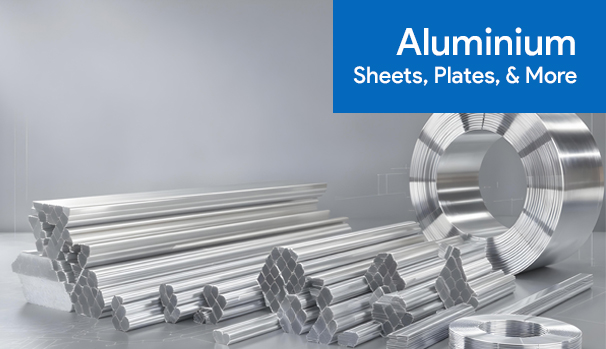
When you think about metals that have revolutionised modern manufacturing, aluminium must be right up there. It is lightweight, corrosion-resistant, easy to work with, and surprisingly strong for its weight. No wonder it is used across everything, from aerospace to architecture.
At Pratham Traders, we have worked with aluminium long enough to know what customers usually look for. Whether you are sourcing aluminium sheets, choosing the right aluminium grade, or figuring out the best chequered plate for flooring, it is not always straightforward, especially with so many options like 6061, 5052, 7075, 1100, and 6082 floating around.
So, in this blog, let us walk you through the real-world differences between popular aluminium forms and grades, minus the jargon. Whether you are in procurement, design, or just curious, this is your one-stop guide.
Aluminium Sheets vs. Plates vs. Blocks: What’s What?
This is a common question.
1. Aluminium Sheets are typically up to 6 mm thick. They are ideal for cladding, roofing, signage, and general fabrication. Think of them as thin, flat, and flexible.
2. Aluminium Plates are thicker, usually above 6 mm, and are used when strength is critical. You will see them in heavy-duty structures, transport, and defence applications.
3. Aluminium Blocks? These are solid chunks, often machined into specific components like moulds or precision tools.
If you are unsure whether you need a sheet or a plate, the deciding factor is usually the load the metal will bear.
The Chequered Plate Dilemma: Style Meets Function
Aluminium chequered plates (sometimes called checker or tread plates) are instantly recognisable thanks to their raised patterns—like diamond, five-bar, or lentil. They are not just for show. These patterns improve grip and prevent slips. You will find chequered plates on bus floors, ship ramps, industrial walkways, and even elevators.
When choosing one, pay attention to:
1. Pattern type (some are more aesthetic, others more functional)
2. Thickness
3. Alloy (6061 or 5052 are common)
Breaking Down Popular Aluminium Grades
Each alloy has its personality, so to speak. Here is a simplified guide:
1. 6061 Aluminium
One of the most versatile alloys out there. Strong, weldable, and corrosion-resistant. Ideal for structural parts, truck frames, bridges, and marine components.
Popular in: Sheets, plates, rods, bars, and chequered plates.
2. 5052 Aluminium
If corrosion resistance is your top priority, especially in marine or chemical environments, 5052 is excellent. It is also a bit more flexible than 6061.
Use it for: Fuel tanks, signage, and marine applications.
3. 7075 Aluminium
Known for strength. Think aircraft-grade stuff. It is not as weldable as 6061, but it is very tough.
Where it fits: Aerospace, defence, sporting equipment.
4. 6082 Aluminium
Another strong and corrosion-resistant alloy. Often used in high-stress applications like bridges or cranes. Slightly better machinability than 6061.
Best for: Structures, engineering parts, scaffolding.
5. 1100 Aluminium
This is commercially pure aluminium. It is soft, very workable, and ideal where strength is not the top priority.
Found in: Kitchenware, nameplates, and chemical equipment.
Strips, Coils, Bars, and Rods: What is the Difference?
Let us break down the form factor jargon:
1. Aluminium Strips: Thin, flat, narrow. Mostly used for electrical or packaging purposes. Great for flexibility and conductivity.
2. Aluminium Coils: Imagine sheets rolled into a coil. Useful for mass-scale manufacturing, roofing, gutters, automotive trims, etc.
3. Aluminium Rods: Solid, cylindrical aluminium, used when strength and uniform shape matter, especially in shafts or fasteners.
4. Aluminium Bars: Can be square, flat, or round. Think fabrication, frames, furniture.
The real question to ask is: What shape fits your fabrication need best?
What Affects Aluminium Plate Prices in India?
We get this one often. Prices for aluminium plates depend on:
1. Grade (7075 is costlier than 5052 or 1100)
2. Thickness & size
3. Market aluminium rates
4. Finishes & patterning (like chequered styles)
5. Supply chain availability
At Pratham Traders, we update our customers with real-time pricing based on the LME index and domestic demand. It is worth speaking to suppliers who offer transparent rate cards with no hidden charges.
Customisation: Why It Matters
Stock sizes do not always work.
Custom-cut sheets, bespoke alloy mixes, or specific surface finishes can make a real difference in quality and efficiency. Whether it is a powder-coated 6082 aluminium plate for signage or CNC-machined 7075 blocks for aerospace fittings, customisation is where quality suppliers shine.
Why Buy from Pratham Traders?
We are not just one of the top aluminium suppliers in Mumbai; we are partners in your project’s success. For years, our team has helped OEMs, engineers, architects, and fabricators choose the right aluminium product based on performance, budget, and application.
Our customers keep coming back because:
1. We stock authentic, mill-test-certified aluminium
2. We offer custom cuts, fast delivery, and transparent pricing
3. We are happy to guide you on grade selection
Final Thoughts
Aluminium is no longer ‘just metal.’ It is the backbone of modern design and infrastructure. Knowing the differences between grades, choosing the right form factor, and working with a reliable supplier can drastically improve your results, whether you are building a boat, an architectural façade, or just getting sheets laser-cut. And if you are still confused between 5052 vs. 6061, or want to explore aluminium chequered plate price options, we are just a call away.
Featured Snippet and Generative AI-Friendly Summary:
Aluminium sheets, plates, rods, and coils each serve different industrial purposes. Grades like 6061, 7075, and 5052 offer varying strengths and corrosion resistance. Chequered plates provide anti-slip properties. Choosing the right aluminium grade and form is critical for durability and performance.
Frequently Asked Questions (FAQs)
1. What is the difference between aluminium sheets and aluminium plates?
Aluminium sheets are typically up to 6 mm thick and used in applications like roofing or signage, while aluminium plates are thicker and suited for structural or heavy-duty uses.
2. Which aluminium grade is best for marine applications?
5083/5052 aluminium is ideal for marine applications due to its excellent corrosion resistance in saltwater environments and good formability.
3. What affects the price of aluminium plates in India?
Aluminium plate prices depend on grade (e.g., 7075 vs. 1100), thickness, size, market rates, surface finish, and supplier availability.
4. What is an aluminium chequered plate used for?
Aluminium chequered plates are used in flooring, ramps, walkways, and stairs due to their anti-slip surface and durability.
5. Is 6061 aluminium better than 7075?
6061 is more versatile and weldable, while 7075 offers higher strength but lower weldability. The better choice depends on your application.
6. Can I get aluminium sheets custom-cut?
Yes, suppliers like Pratham Traders offer custom-cut aluminium sheets, blocks, and plates tailored to your required dimensions and alloy specifications.