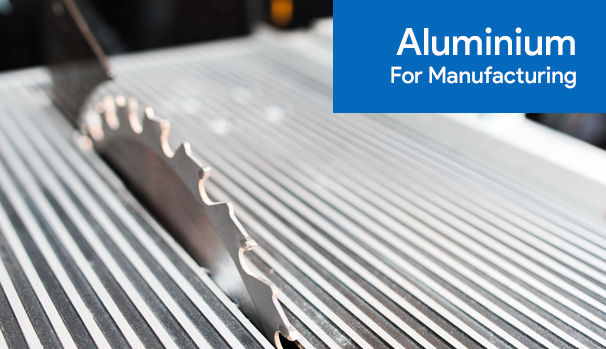
In modern manufacturing, custom aluminium products have emerged as indispensable components. Known for their versatility, durability, and adaptability, aluminium products like blocks, bars, and plates cater to a wide array of industries. Their ability to be tailored to specific requirements makes them the ideal material for manufacturers seeking precision and performance.
Products such as aluminium blocks, aluminium bars, and aluminium plates are staples in industries ranging from aerospace to construction. Their unique properties, including lightweight construction and corrosion resistance, ensure that they meet the high demands of contemporary applications. In this blog, we will explore the types, applications, and benefits of aluminium products and delve into how customisation enhances their usability.
Types of Aluminium Products
Aluminium products come in various forms, with aluminium blocks, bars, and plates being the most commonly used in manufacturing.
1. Aluminium Sheets & Plates:
Aluminium sheets and plates are versatile products used in various industries, including automotive, aerospace, and construction. Sheets are thinner, making them ideal for applications like body panels, cladding, and signage. Plates, on the other hand, are thicker and preferred for heavy-duty purposes, such as shipbuilding and structural reinforcements.
Both are known for their high strength-to-weight ratio, corrosion resistance, and excellent machinability. They can be anodized or painted to enhance durability and aesthetics. Available in multiple alloys like 5052 and 6061, they are customizable to suit specific project requirements, ensuring reliability and longevity in demanding applications.
2. Aluminium Bars & Rods:
Corrosion-resistant aluminium bars and rods are critical for structural and mechanical applications. These long, solid products come in varying diameters and profiles, such as round, square, and hexagonal, catering to diverse needs. Renowned for their high tensile strength, they are widely used in construction, transportation, and machinery.
Their lightweight nature facilitates easy handling, while their machinability makes them ideal for precision engineering. Aluminium rods are often employed in electrical applications, thanks to their excellent conductivity. Customisation options, such as alloy selection and surface finishes, allow for tailored solutions, ensuring optimal performance in specific industrial uses.
3. Aluminium Blocks:
Aluminium blocks are robust, solid pieces commonly used in manufacturing and machining applications. Their uniform structure and excellent machinability make them a preferred choice for creating components like molds, engine blocks, and precision tools. Available in various grades, such as 7075 for high-strength needs and 6061 for balanced performance, these blocks can withstand extreme conditions while maintaining dimensional stability.
Lightweight aluminium blocks reduce material handling challenges without compromising durability. They are also corrosion-resistant, making them suitable for outdoor and marine applications. With customisation options, manufacturers can achieve specific sizes and finishes to meet unique production requirements.
Key Applications
The utility of aluminium in construction and other industries is unparalleled, with its products playing a pivotal role across various sectors.
1. Aerospace:
Aircraft manufacturers extensively use aluminium components, such as lightweight aluminium blocks, to reduce the overall weight of their designs. Leading firms have achieved significant results, reporting a 20% weight reduction in fuselage components by using these materials.
2. Automotive:
In automotive manufacturing, aluminium is a preferred material for crafting high-performance parts, such as chassis and engine blocks. Its corrosion resistance significantly enhances the durability of components exposed to harsh conditions, ensuring long-lasting performance.
3. Construction:
Aluminium in construction is widely used for applications like curtain walls, roofing, and structural reinforcements. Builders appreciate its high strength-to-weight ratio, which ensures structural integrity without adding excessive weight.
4. Electronics:
In electronics as well as consumer goods, custom aluminium products are vital for creating heat sinks and protective enclosures. These products are valued for their ability to optimize performance while maintaining durability, even in challenging environments.
Top 3 Benefits of Aluminium Products in Manufacturing
The benefits of manufacturing with aluminium make it an unmatched material across diverse industries, owing to its unique combination of properties.
1. Strength-to-weight ratio:
Despite being lightweight, it offers exceptional strength, making it indispensable for applications where reducing weight is critical. For instance, automotive manufacturers have achieved up to a 50% weight reduction in components, directly improving fuel efficiency and reducing emissions. This strength-to-weight balance also ensures reliability in demanding applications like aerospace and structural reinforcements.
2. Corrosion resistance:
Another key advantage is aluminium’s corrosion resistance. Corrosion-resistant aluminium bars are particularly valued in environments exposed to moisture, chemicals, or extreme weather. Their ability to withstand harsh conditions significantly enhances the lifespan of products, reducing the need for frequent maintenance and replacements. Industries such as marine and construction rely on this durability to ensure long-term performance.
3. Machinability:
Additionally, aluminium’s machinability makes it highly adaptable for precision manufacturing. Its ease of machining allows for achieving intricate dimensions and complex geometries, which are crucial in industries like electronics and aerospace. This property not only expedites production processes but also reduces overall costs, offering manufacturers a competitive edge.
Customisation and Sourcing
1. Benefits of Customisation:
One of the most remarkable aspects of custom aluminium products is their adaptability to meet specific project requirements. Customisation enhances performance by ensuring solutions are tailored to precise specifications, delivering optimal functionality in diverse applications.
By customizing dimensions, grades, and finishes, manufacturers can significantly reduce material wastage. Additionally, customisation opens the door to innovative designs, allowing for the creation of unique shapes and finishes that support both aesthetic and functional goals. This flexibility is invaluable in industries where creativity and precision are paramount.
2. Choosing the Right Supplier:
Selecting the right supplier for aluminium customisation is crucial to maximizing its potential in manufacturing. A reliable supplier should prioritize quality assurance, offering certified, high-grade materials that meet industry standards. Their customisation capabilities must align with project needs, enabling the production of bespoke products with precision.
Timely delivery is another essential factor, as consistent schedules help prevent project delays. Lastly, cost-effectiveness is vital—evaluating pricing against the quality and range of services ensures the best value. Partnering with a trusted supplier is key to unlocking the full advantages of tailored aluminium solutions.
Buy Quality Aluminium Products with Pratham Traders
With 5+ years of experience, Pratham Traders is one of the leading aluminium suppliers in Mumbai. Our mission is to provide our customers with high-quality products that are durable, versatile, and cost-effective. We provide a wide range of aluminium sheets and plates, bars and rods, blocks, circles, strips, and coils, as well as bronze bars and rods.
These unique products bring multiple benefits to the table like slip resistance, heat reflection, corrosion resistance, aesthetics, and other insulation properties. Our products are rigorously tested to ensure optimum quality and durability.
We are committed to delivering exceptional customer service and fostering long-term relationships. With this vision in mind, we maintain a vast inventory in a variety of sizes, shapes, and alloys, ensuring that our customers have access to products tailored to their business requirements. To learn more about our products, visit: https://prathamtraders.in/products/
Frequently Asked Questions (FAQs)
1. What Are the Different Types of Aluminium Products Used in Manufacturing?
Aluminium products commonly used in manufacturing include sheets, plates, bars, rods, and blocks. Sheets and plates are ideal for lightweight applications like automotive panels and aerospace structures, while bars and rods are used for construction and machinery. Blocks are widely employed in creating molds, engine components, and precision tools due to their machinability and strength.
2. Why Are Aluminium Products Preferred in Aerospace and Automotive Industries?
Aluminium is valued for its lightweight construction, corrosion resistance, and high strength-to-weight ratio, making it ideal for aerospace and automotive applications. It helps reduce the weight of vehicles and aircraft, improving fuel efficiency and performance. Additionally, its machinability allows for the creation of complex components, meeting the high precision requirements of these industries.
3. How Does Customisation Enhance the Usability of Aluminium Products?
Customisation allows manufacturers to tailor aluminium products to specific requirements, such as unique dimensions, alloys, and finishes. This not only optimizes performance but also minimizes material wastage. Customised aluminium solutions enable the creation of innovative designs and components that cater to precise industrial needs, making them essential in sectors like construction, electronics, and aerospace.